
DEPZ Moves Toward a Product Line: Developing Stereo Cameras Under the DEPZ Brand
In September 2024, DEPZ decided to productize its expertise and develop a stereo camera line under the DEPZ brand. Hardware development starts in collaboration with a major European manufacturer of camera modules to ensure industrial-grade quality and supply-chain readiness.
Why We Chose to Build Hardware
DEPZ began as a research unit inside a manufacturing context. Over time, we repeatedly faced the same integration pain points that many industrial teams know well:
- Cameras and modules not designed for harsh environments
- Calibration that is difficult to preserve over long service periods
- Synchronization issues that undermine depth quality
- Fragmented software support across deployments
In September 2024, DEPZ reached a strategic conclusion: to deliver reliable stereo depth in industry, we need control over the device-level architecture. This led to the decision to release a DEPZ stereo camera line intended for industrial inspection, measurement, and automation.
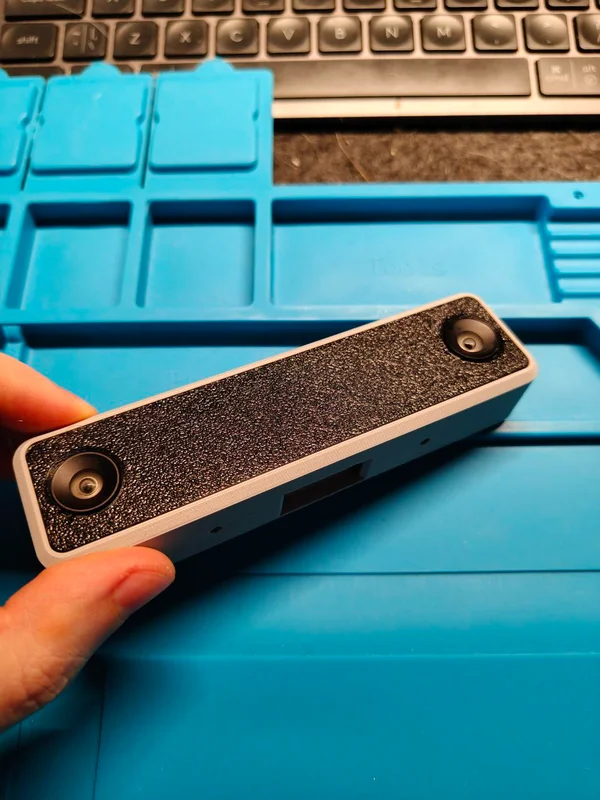
Collaboration with a Major European Camera Module Manufacturer
To accelerate time-to-market and ensure manufacturing maturity, DEPZ began hardware development in collaboration with a major European manufacturer of camera modules. This partnership approach is standard for industrial hardware development: it improves component quality, procurement stability, and scalability.
At this stage, the partner's name is not disclosed due to commercial confidentiality.
In this collaboration:
- The partner contributes module manufacturing capabilities and mature component ecosystems
- DEPZ defines industrial requirements, system architecture, and the depth/vision software stack
- Both sides align on manufacturability, test strategy, and quality controls
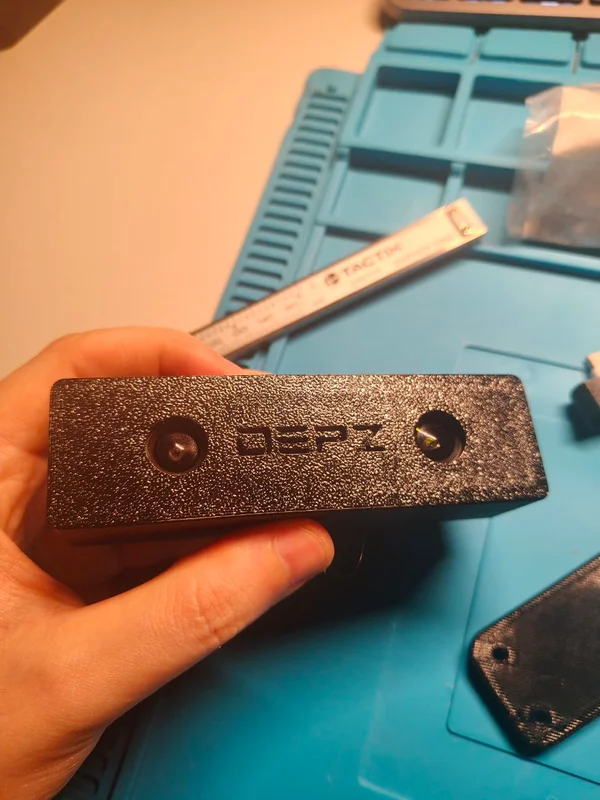
What "Industrial-Grade Stereo" Means in Practice
Our first product-generation design priorities are driven by deployment reality:
- Stable synchronization. Stereo only works when the two sensors behave as one instrument.
- Calibration integrity. Factory calibration is meaningless if it drifts in real use; we treat calibration as a lifecycle feature.
- Thermal and mechanical robustness. Long runtimes, vibration, and handling must not degrade depth performance.
- Integration-friendly interfaces. Smooth integration into inspection cells, robots, and automation systems.
Roadmap and Next Steps
The September 2024 milestone is the product decision and engineering kickoff. The next steps include:
- Engineering prototypes to validate system-level performance
- Manufacturing test strategy and acceptance criteria definition
- Early adopter pilots with controlled feedback loops